When a tooth can’t be saved, a well-planned tooth extraction is the first step toward comfort and future restoration. Recovery is usually straightforward—especially when you know exactly what to do (and what to avoid). Use this guide to protect the blood clot, minimize discomfort, and get back to normal quickly.
The First Hour: Set The Stage
Keep firm, steady pressure on the gauze for 30–45 minutes. A small amount of oozing is normal. Avoid checking the site repeatedly—disturbing the clot is the fastest way to invite problems.
Day 1: Rest, Ice, And Hydrate
- Rest with your head elevated and limit activity.
- Cold compress on-and-off in 10–15 minute intervals helps swelling.
- No smoking, straws, or forceful spitting—negative pressure can dislodge the clot.
- Medications as directed; start before numbness fully wears off for best comfort.
- Soft, cool foods: yogurt, smoothies (spoon only), mashed potatoes, applesauce.
Days 2–3: Peak Swelling, Gentle Routine
Swelling typically peaks at 48–72 hours, then fades. Continue cold compresses early, then switch to warm compresses after day two if muscles feel stiff. Begin gentle salt-water rinses after the first 24 hours—tilt and let the rinse fall out, no swishing.
Days 4–7: Back To Normal (Softly)
Add soft scrambled eggs, oatmeal, tender pasta, and baked fish. Brush your other teeth normally; brush near the site gently. If sutures are present, they may dissolve on their own or be removed at a follow-up visit.
Week 2 And Beyond: Finishing Strong
Most daily activities are back to normal. If you notice increasing pain with a bad taste several days in, call us—this can signal dry socket, where the clot breaks down and exposes bone.
Dry Socket Prevention—Your Top Priorities
- No smoking or vaping during early healing
- No straws for at least 3–5 days
- Avoid crunchy chips, seeds, or small grains that can lodge in the site
- Follow your medication and rinse instructions faithfully
Pain & Sensitivity: What’s Normal
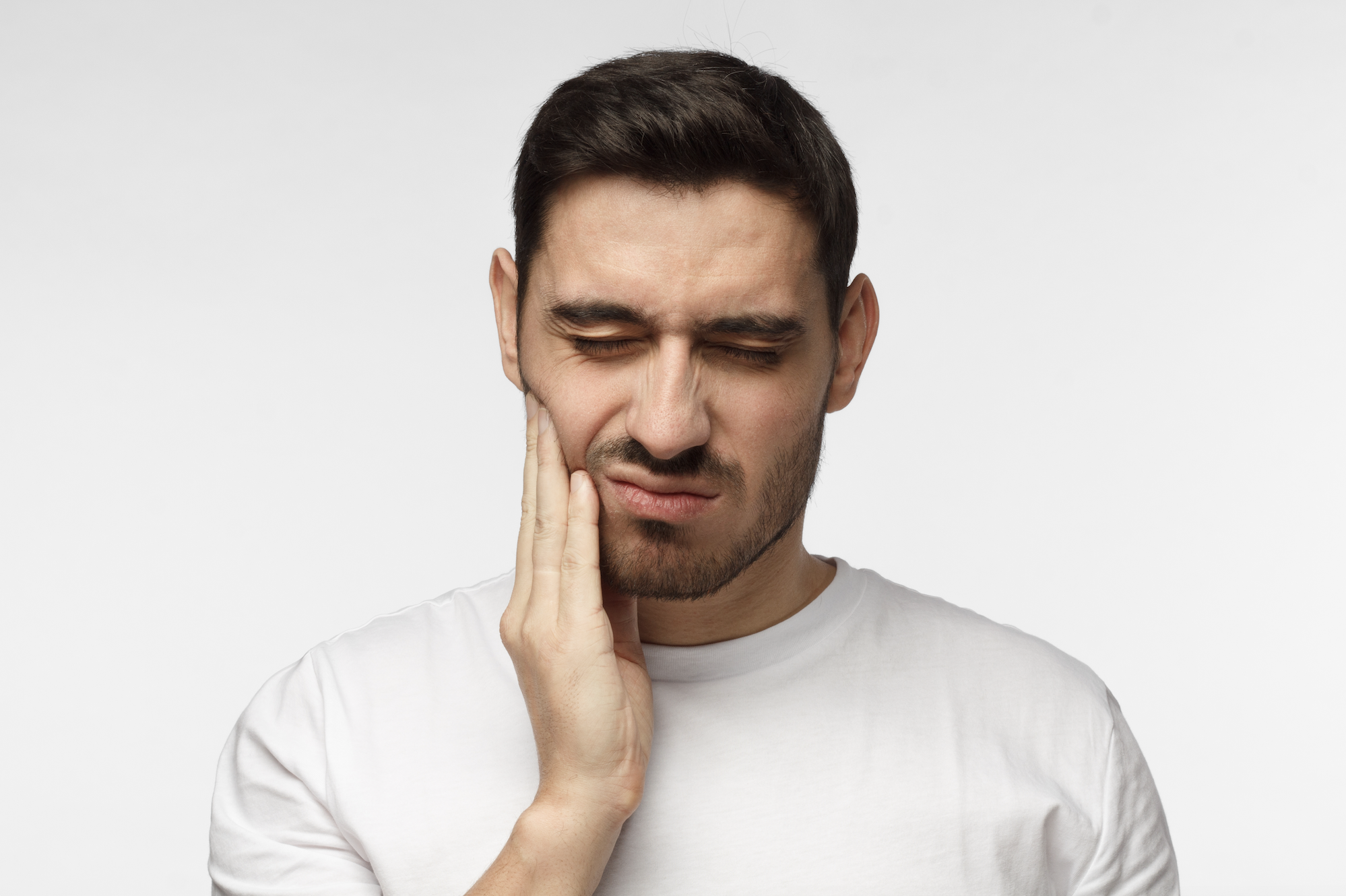
Mild-to-moderate soreness is expected and should consistently improve. A dull ache that suddenly spikes with foul odor or taste indicates a problem—reach out promptly so we can soothe the site and reestablish comfort.
Nutrition For Faster Healing
Focus on protein (Greek yogurt, eggs, smoothies with protein powder) and hydration. Vitamin C-rich foods support tissue repair. Keep caffeine moderate and alcohol minimal in the first few days.
Replacing The Missing Tooth
We’ll review options once healing is underway:
- Dental implant to replace the root and crown
- Fixed bridge if neighbors already need crowns
- Removable partial for budget-friendly replacement
Choosing early avoids shifting teeth and bite changes. If an implant is planned, we’ll discuss bone grafting performed at the time of extraction when appropriate.
Activity, Work, And Exercise
Plan to take it easy the first 24–48 hours. When you resume exercise, do so gradually and stop if bleeding or throbbing increases. Hydrate well—especially in Houston’s heat.
When To Call Us
- Heavy bleeding that doesn’t slow with pressure
- Fever, increasing swelling after day three, or trouble swallowing
- Persistent numbness or severe pain
- Bad taste/odor with rising pain (possible dry socket)
Benefits At A Glance
- Clear steps for comfort and faster healing
- Lower risk of complications like dry socket
- Nutrition and hygiene tips that actually work
- A plan to replace the tooth and protect your bite
We’re With You Through Recovery
If you’re planning a tooth extraction in Houston, we’ll prepare you with everything you need and check in as you heal. Call Elite Dental Wellness at (713) 789-8680 to Schedule a Consultation.















.jpg)
.jpg)


.jpg)

%20(2).jpg)


.jpg)


.jpg)


.png)