A dental crown restores strength, shape, and appearance when a tooth is too damaged for a simple filling. Whether you’ve cracked a molar on a tortilla chip or have a large old filling that’s failing, crowns can protect your tooth for the long run—without compromising your smile.
When Is A Crown Recommended?
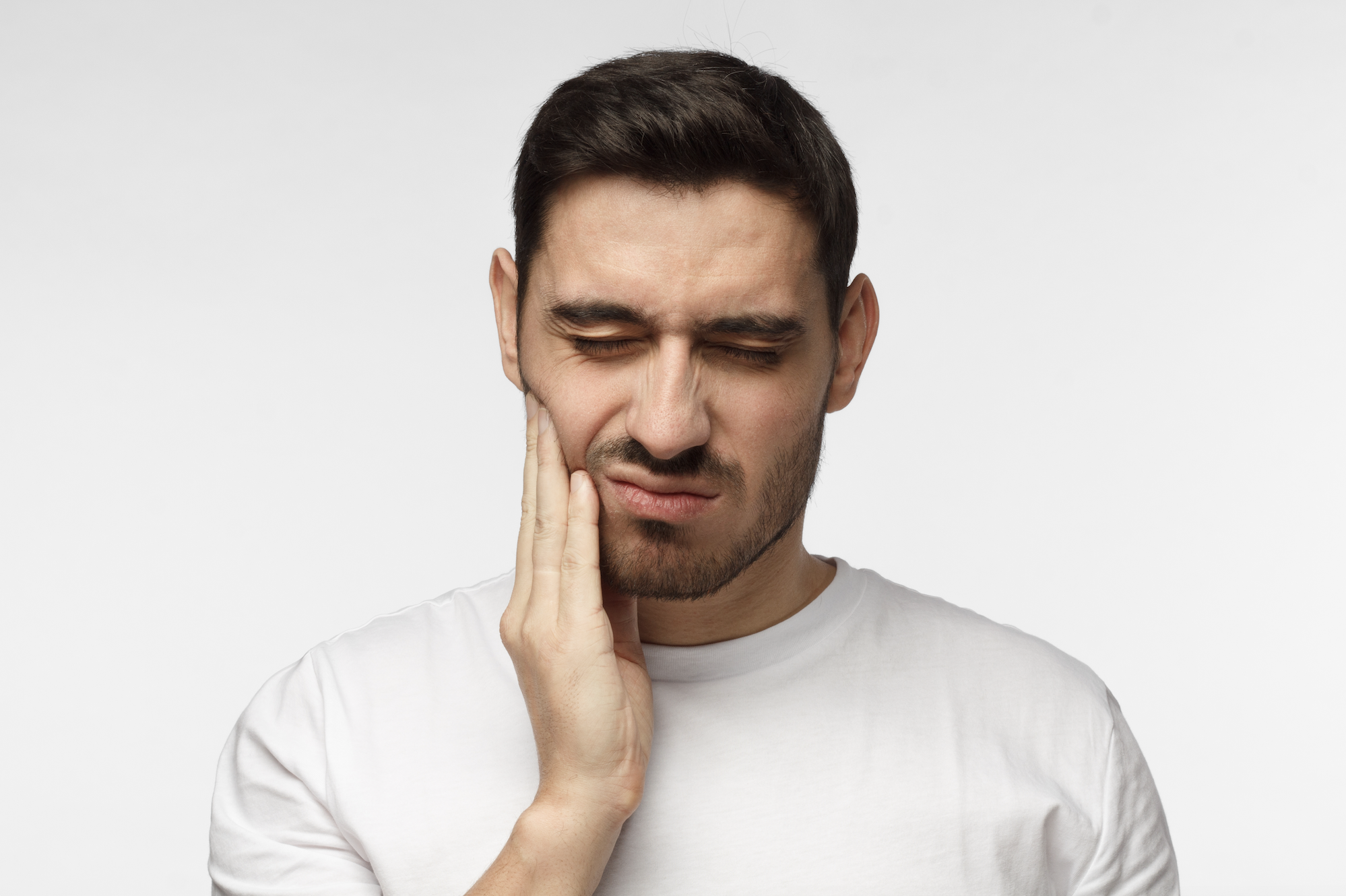
- Cracked or fractured tooth that hurts to bite
- Large decay or failing, oversized filling
- After root canal therapy to prevent fracture
- Severely worn teeth from grinding
- Cosmetic enhancement for misshapen or discolored teeth
Crown Materials: Which Is Right For You?
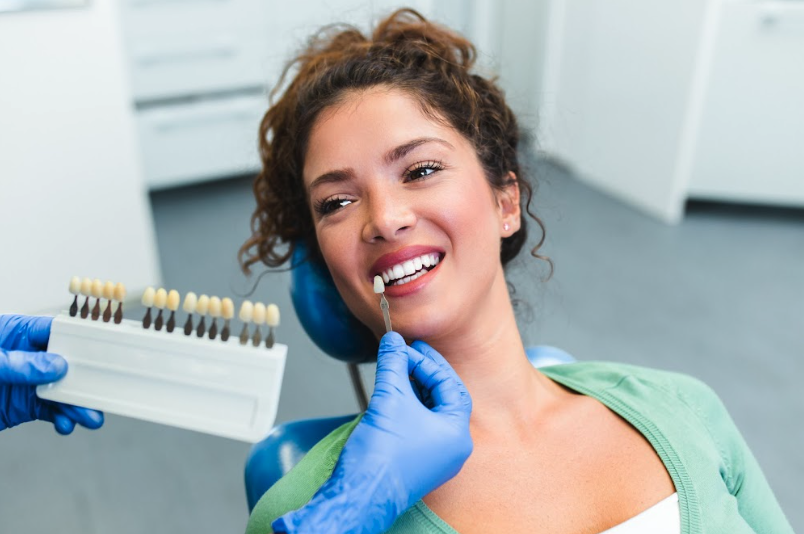
- All-Ceramic (Porcelain or Zirconia): Strong, lifelike translucency—often used for front teeth and many molars.
- Porcelain-Fused-to-Metal (PFM): Durable with a metal substructure; can show a faint gray line at the gum over time.
- Full Metal (Gold Alloys): Extremely durable and gentle on opposing teeth; great for back molars when appearance is less critical.
We’ll consider bite forces, location, esthetics, and your preferences to select the best material.
The Crown Process, Step By Step
- Exam & Imaging: Confirm cracks, decay depth, or structural concerns.
- Tooth Preparation: Reshape the tooth conservatively to create room for the crown.
- Digital Scan: No goopy impressions—precise, comfortable imaging.
- Temporary Crown: Protects the tooth while the lab crafts your final.
- Final Placement: We cement the crown, check your bite, and polish for a natural finish.
Comfort & Aftercare
Mild sensitivity can occur for a few days after prep. Avoid very sticky foods until your permanent is placed. Once seated, brush and floss normally (slide floss out to protect the margins). If you grind, a nightguard helps your new crown last longer.
How Crowns Compare To Alternatives
- Large Filling: Works for small-to-medium damage; less protection against fracture on heavily restored teeth.
- Onlay: A partial crown that preserves more enamel when possible.
- Veneer: Great for front-tooth esthetics when structure underneath is healthy.
Longevity & Value
With good home care and routine checkups, many crowns last well over a decade. The key is protecting the margins (where decay could reappear) and controlling bite forces.
Pairing Crowns With Other Treatments
Crowns often complete root canal therapy or anchor a dental bridge. They also restore implants, where the crown attaches to an abutment over a titanium post.
Benefits At A Glance
- Reinforces weak or cracked teeth
- Restores natural shape, color, and function
- High esthetics with modern ceramics
- Long-term protection against fracture
Ready To Strengthen Your Smile?
If you suspect you need a dental crown, we’ll confirm and walk you through materials and timing. Call Elite Dental Wellness in Houston at (713) 789-8680 to Schedule a Consultation.














.jpg)
.jpg)


.jpg)


%20(2).jpg)


.jpg)


.jpg)


.png)